Artificial Selection / Selective Breeding

Some traits like eye color and blood type are heritable. This means you gained it from your genes...your biological ancestors and can potentially pass them to any offspring.

This is true of all living things that can pass things to child. These are called traits. Phenotypic traits if you are being fancy. There is variation across phenotypes.

COLOR

COLOR

GRAY WOLVES
Cannis lupus

Shared ancestor with domesticated dogs.

RED JUNGLEFOWL
Gallus gallus

Primary ancestor of domesticated chickens.

Artificial selection occurs when humans control reproduction to make particular heritable traits more common across generations.

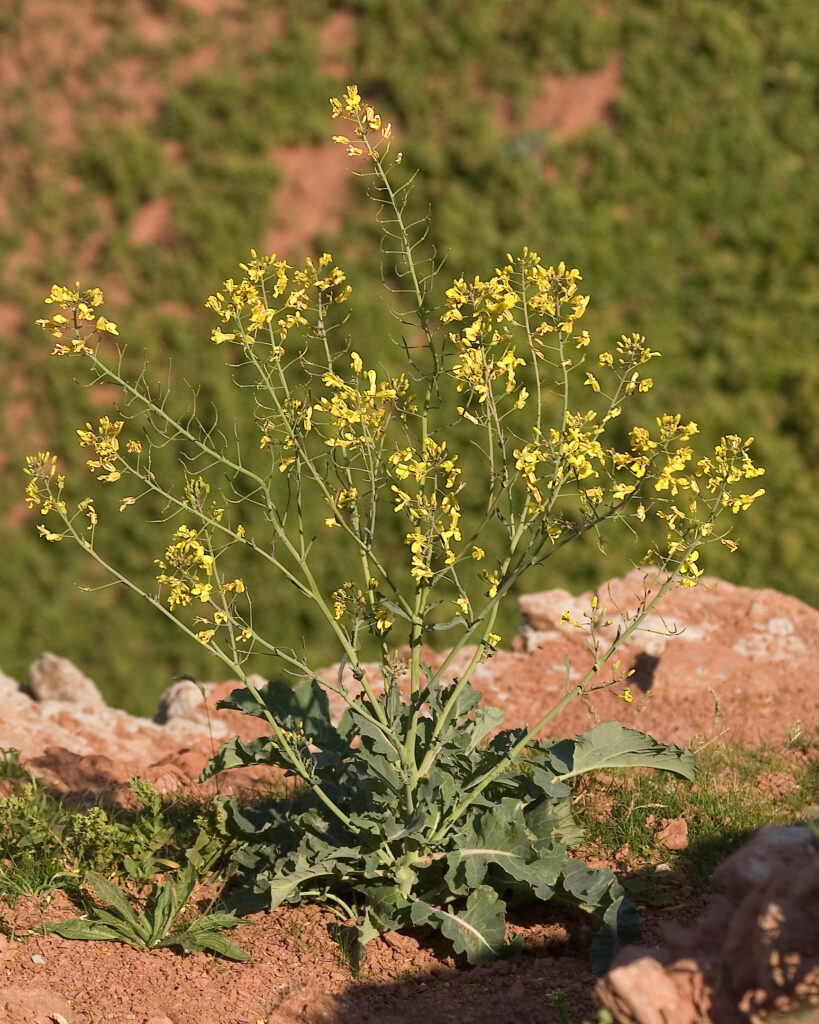
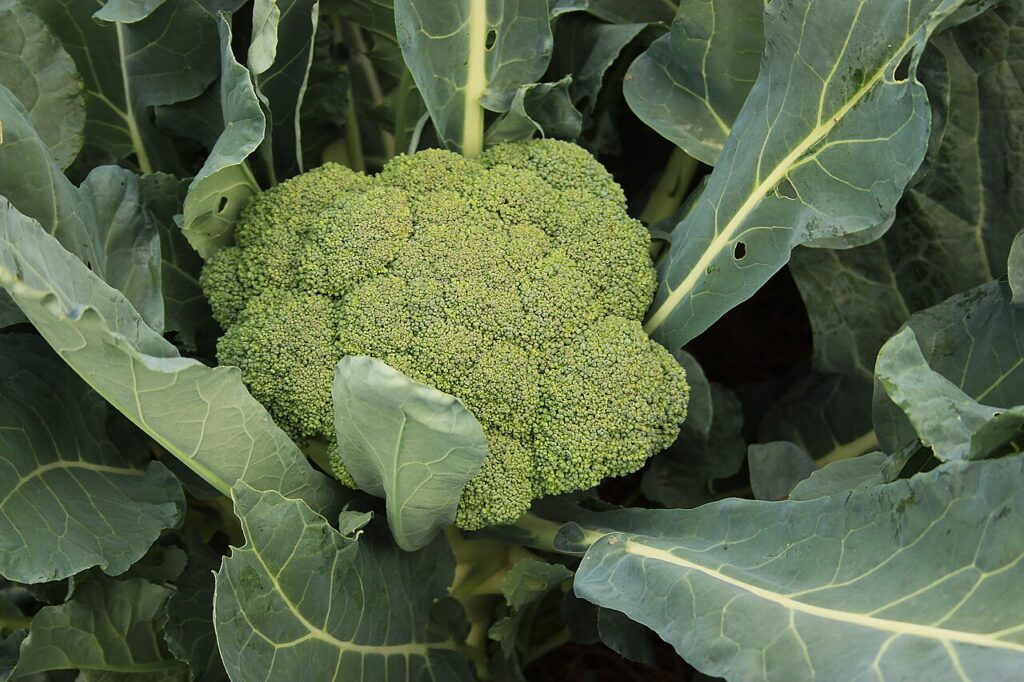
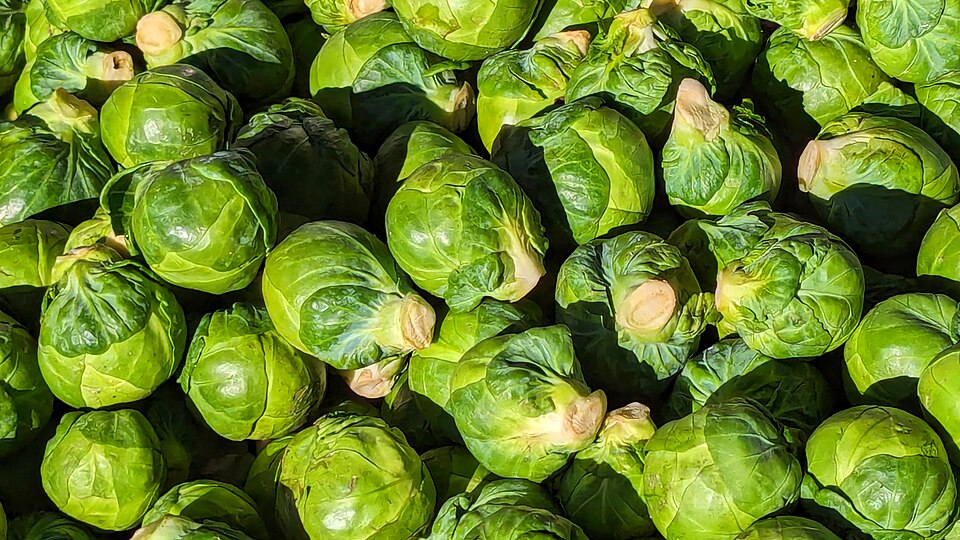
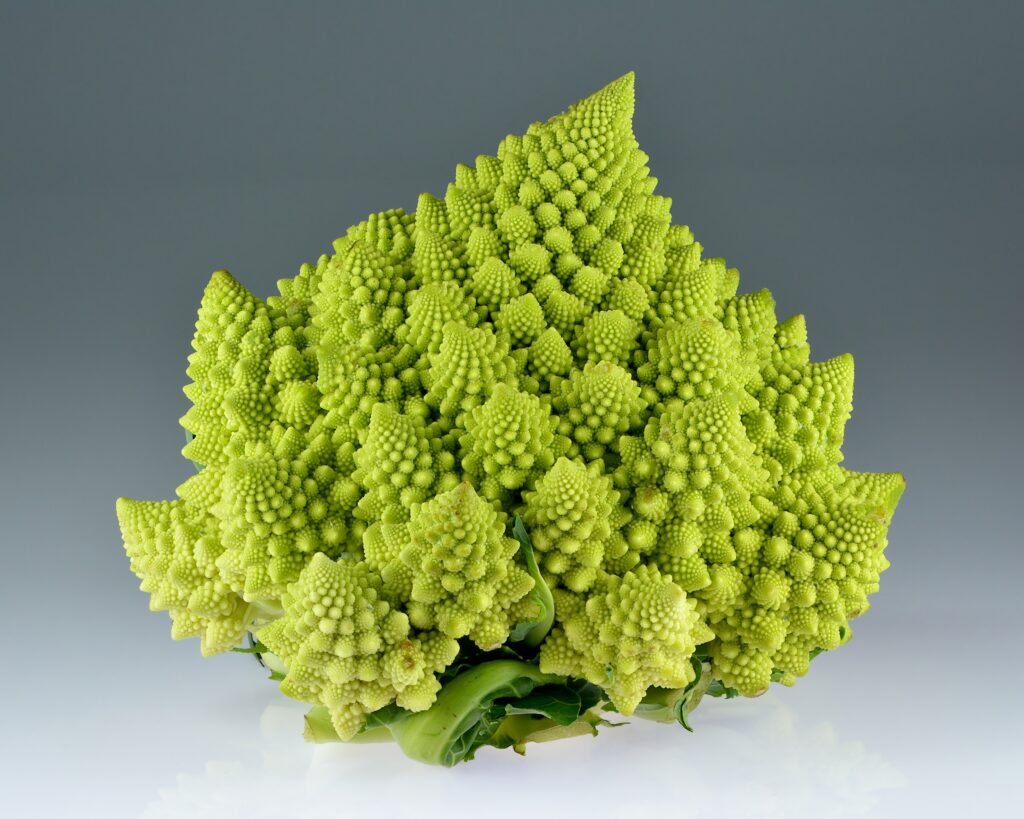
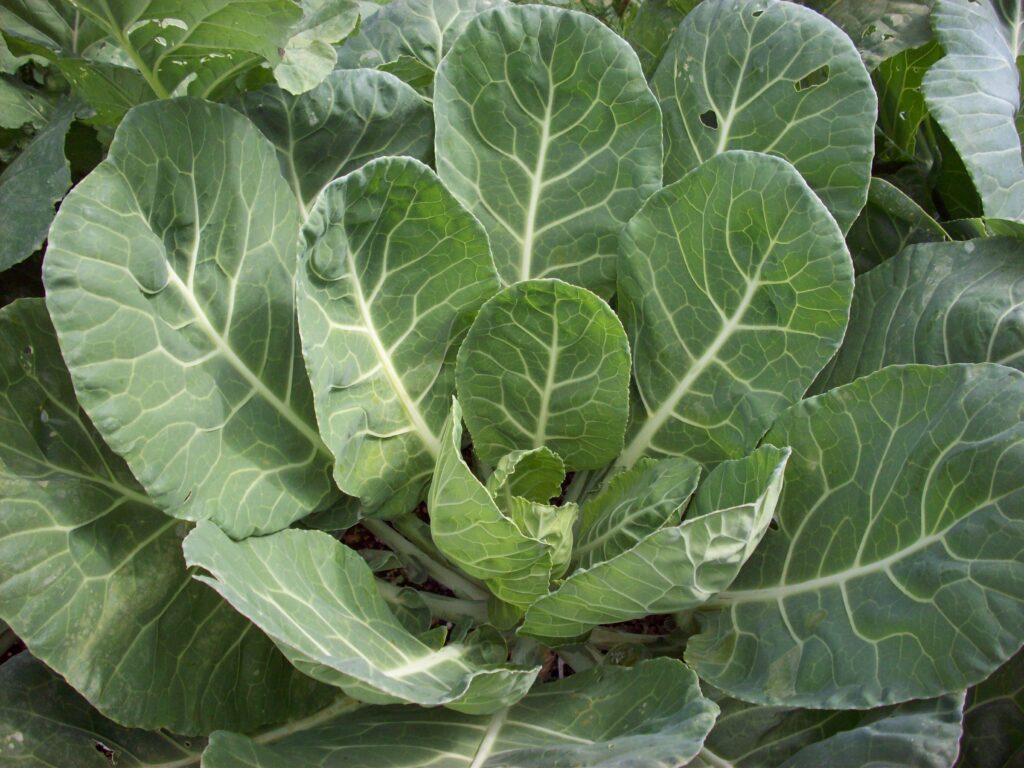
BRASSICA OLERACEA

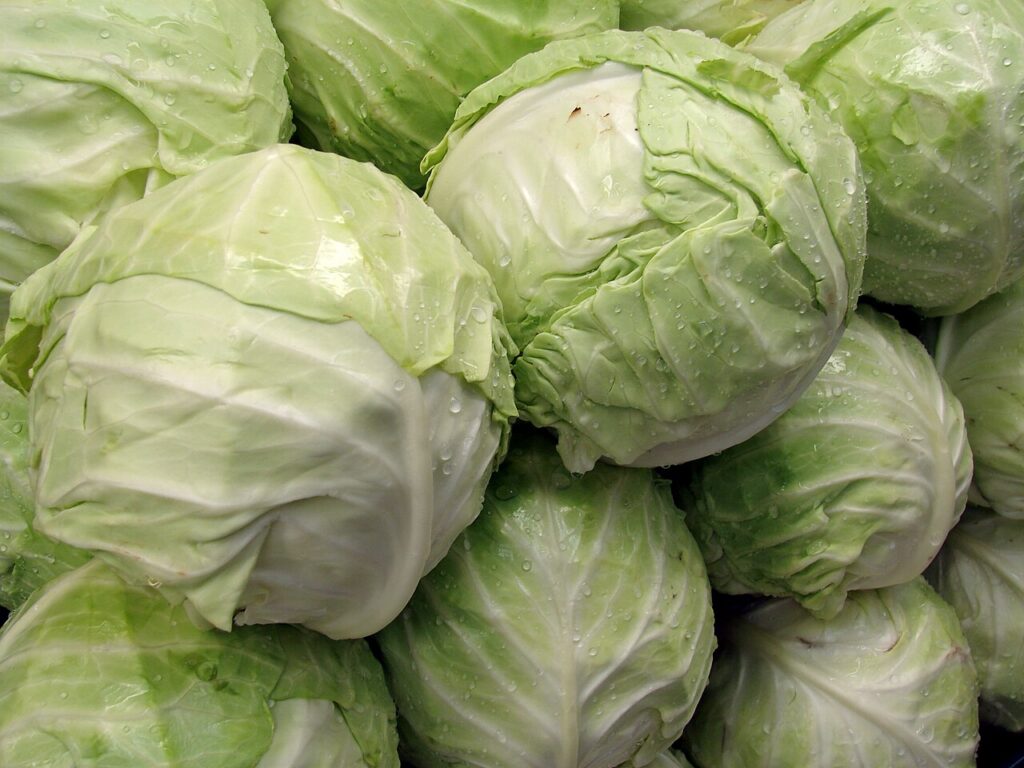
Identifying various heritable traits of Brassica oleracea and selecting for them over hundreds of years has allowed humans to create into cabbage, cauliflower, broccoli, romensco, kale, brussels sprouts, kohlrabi, and so many more.

Cabbage

Broccoli

Cauliflower

Brussels sprouts

Romanesco

Kale

kohlrabi

Humans have focused on various heritable traits to shape other animals' bodies and bodily functions.

By selecting for inheritable traits like color, sweetness, cold tolerance, among others, humans have been able to develop hundreds of varieties of many fruits and vegetables, like carrots.

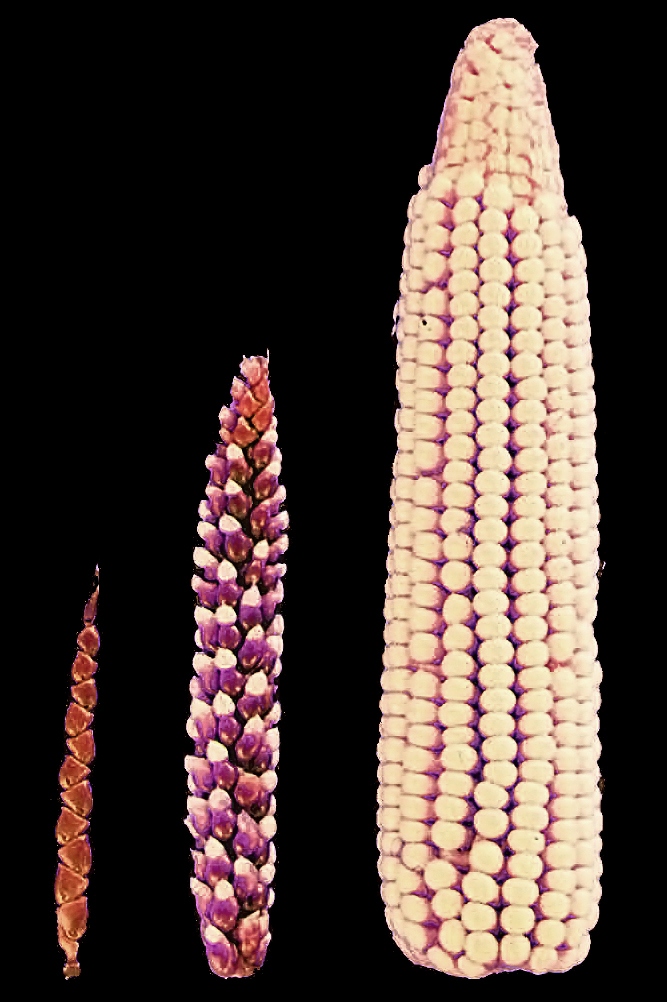
Selective breeding transformed teosinte's few fruitcases (left) into modern maize's rows of exposed kernels (right).

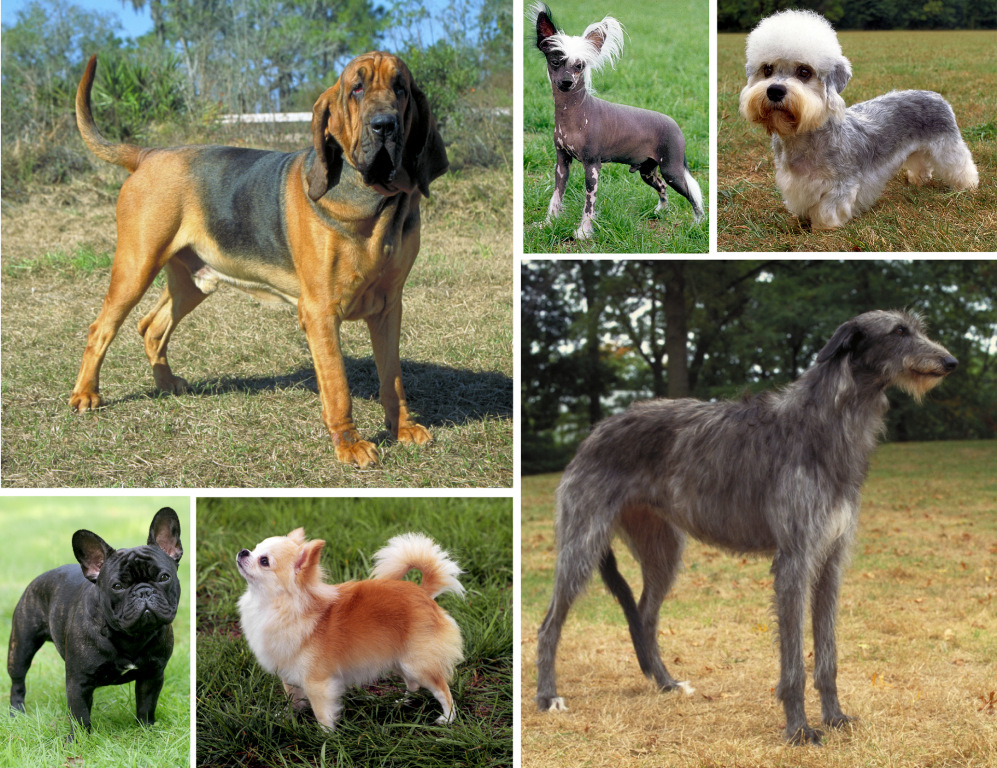
From wolf ancestors to Chihuahuas: selection can radically reshape animal bodies too.

Over thousands of years, across generations, humans have selectively bred other species of animals.

WILD BOARS
Sus scrofa

Primary ancestor of domesticated pigs.

GRAY WOLVES
Cannis lupus

Shared ancestor with domesticated dogs.

RED JUNGLEFOWL
Gallus gallus

Primary ancestor of domesticated chickens.

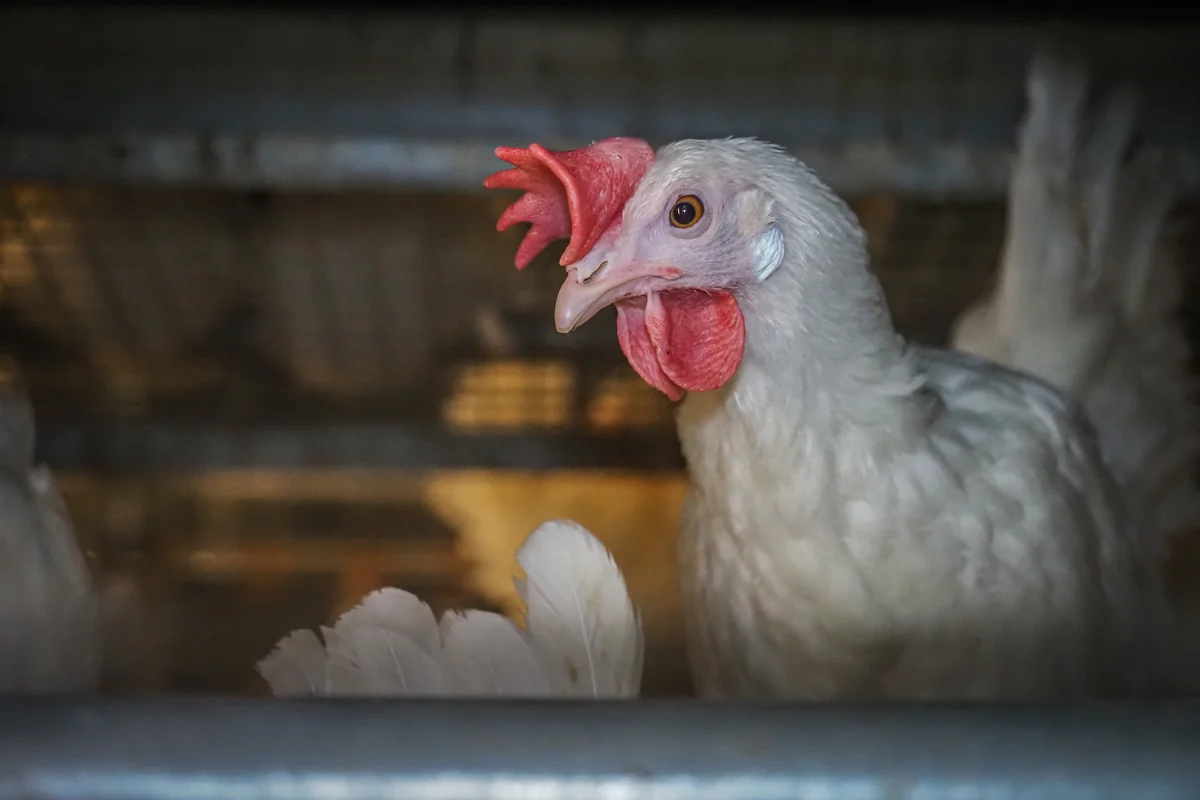
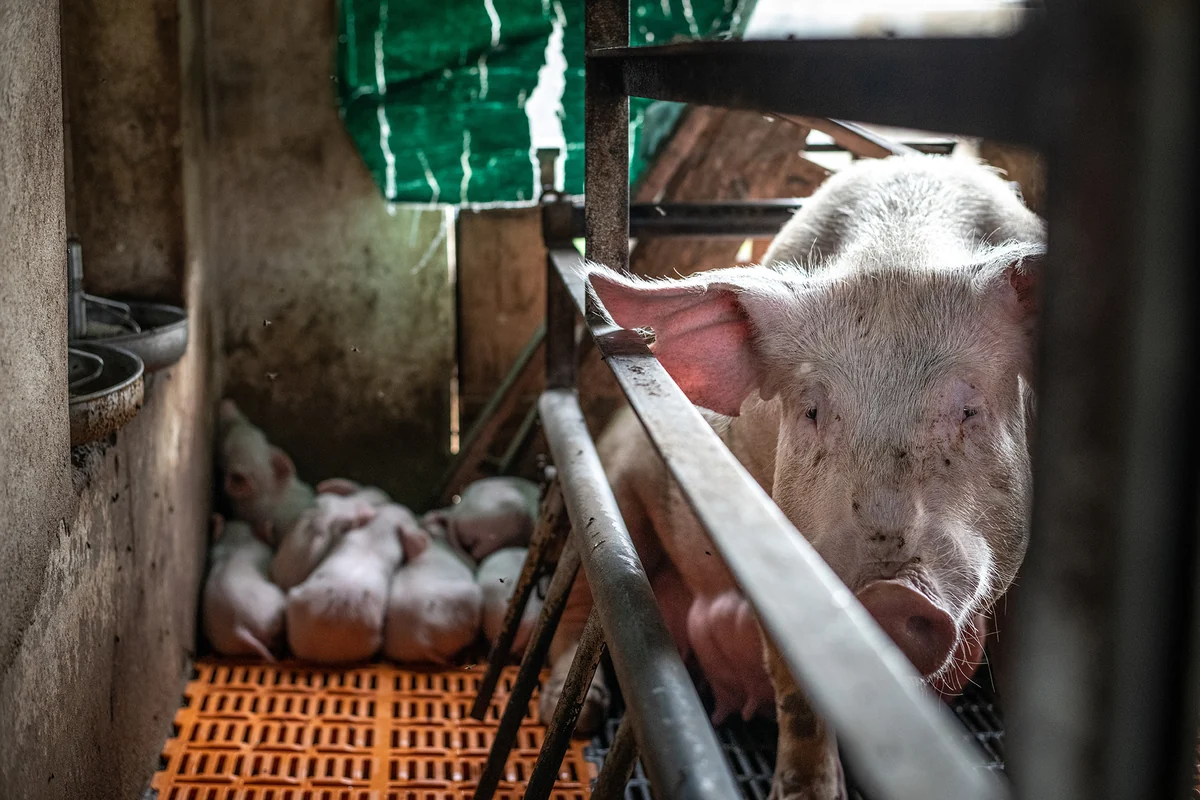
This has resulted in the many breeds of pigs (Sus scrofa domesticus), dogs (Cannis lupus familiaris), and chickens (Gallus gallus domesticus) we see today.

Humans have focused on various heritable traits to shape other animals' bodies and bodily functions.

Hairlessness

For aesthetics

By selecting for less hair. Humans have developed breeds like the sphynx cat which are hairless.

Hair Color

This is the heading

Lorem ipsum dolor sit amet consectetur adipiscing elit dolor
Click Here

Endurance

This is the heading

Lorem ipsum dolor sit amet consectetur adipiscing elit dolor
Click Here

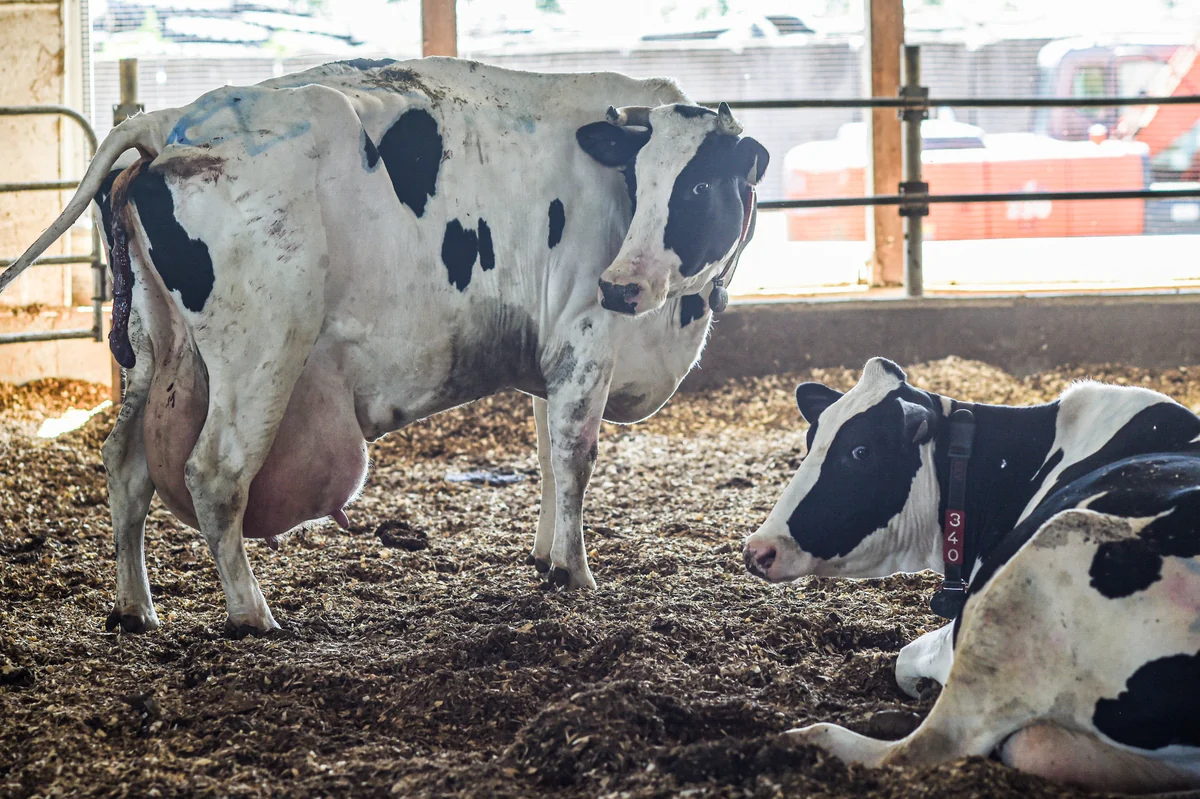
Milk Yield

This is the heading

Lorem ipsum dolor sit amet consectetur adipiscing elit dolor
Click Here

Growth Rate

This is the heading

Lorem ipsum dolor sit amet consectetur adipiscing elit dolor
Click Here

Litter Size

This is the heading

Lorem ipsum dolor sit amet consectetur adipiscing elit dolor
Click Here

Docility

This is the heading

Lorem ipsum dolor sit amet consectetur adipiscing elit dolor
Click Here

Eye Color

This is the heading

Lorem ipsum dolor sit amet consectetur adipiscing elit dolor
Click Here

Size

This is the heading

Lorem ipsum dolor sit amet consectetur adipiscing elit dolor
Click Here

This isn't a new phenomenon that started with industrialization. The story of humans selective breeding plants and other animals predates human civilization. By selecting for certain traits and controlling reproduction, humans over thousands of years have created the world we know today.

But, who pays the price?

Humans choose the traits. Other animals live with the consequences.

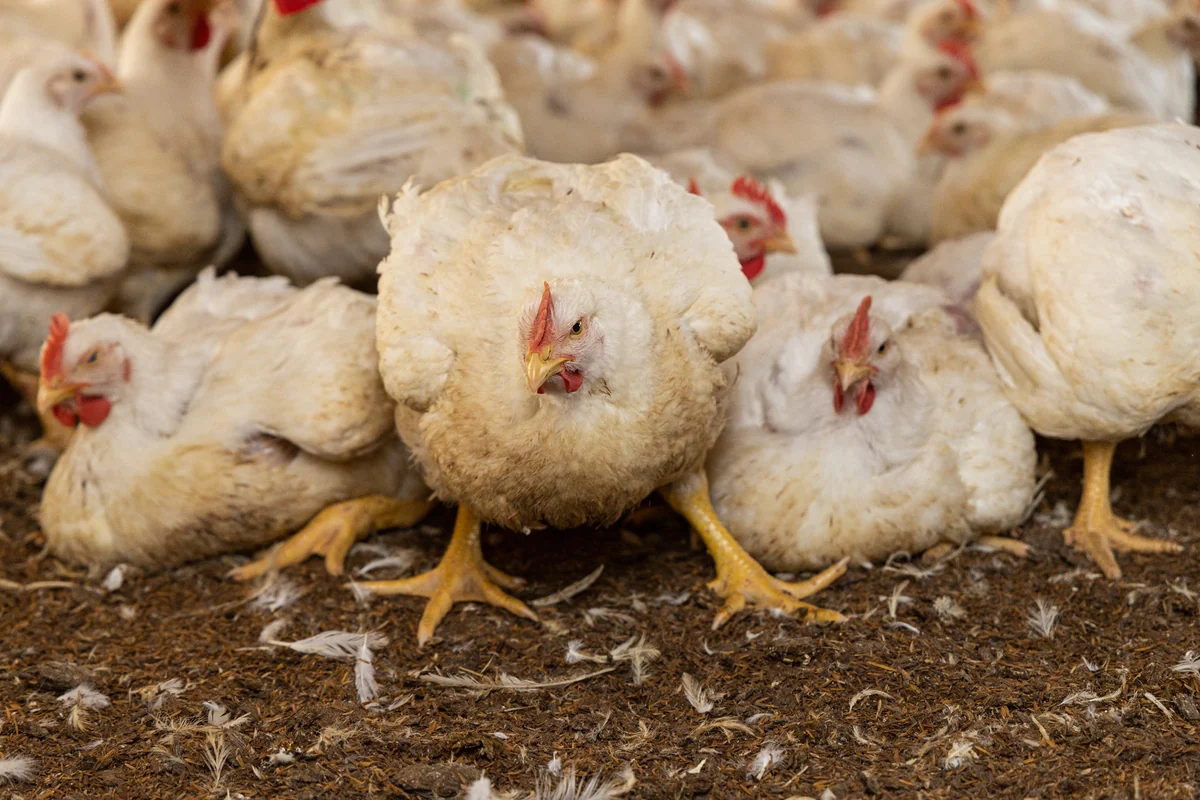
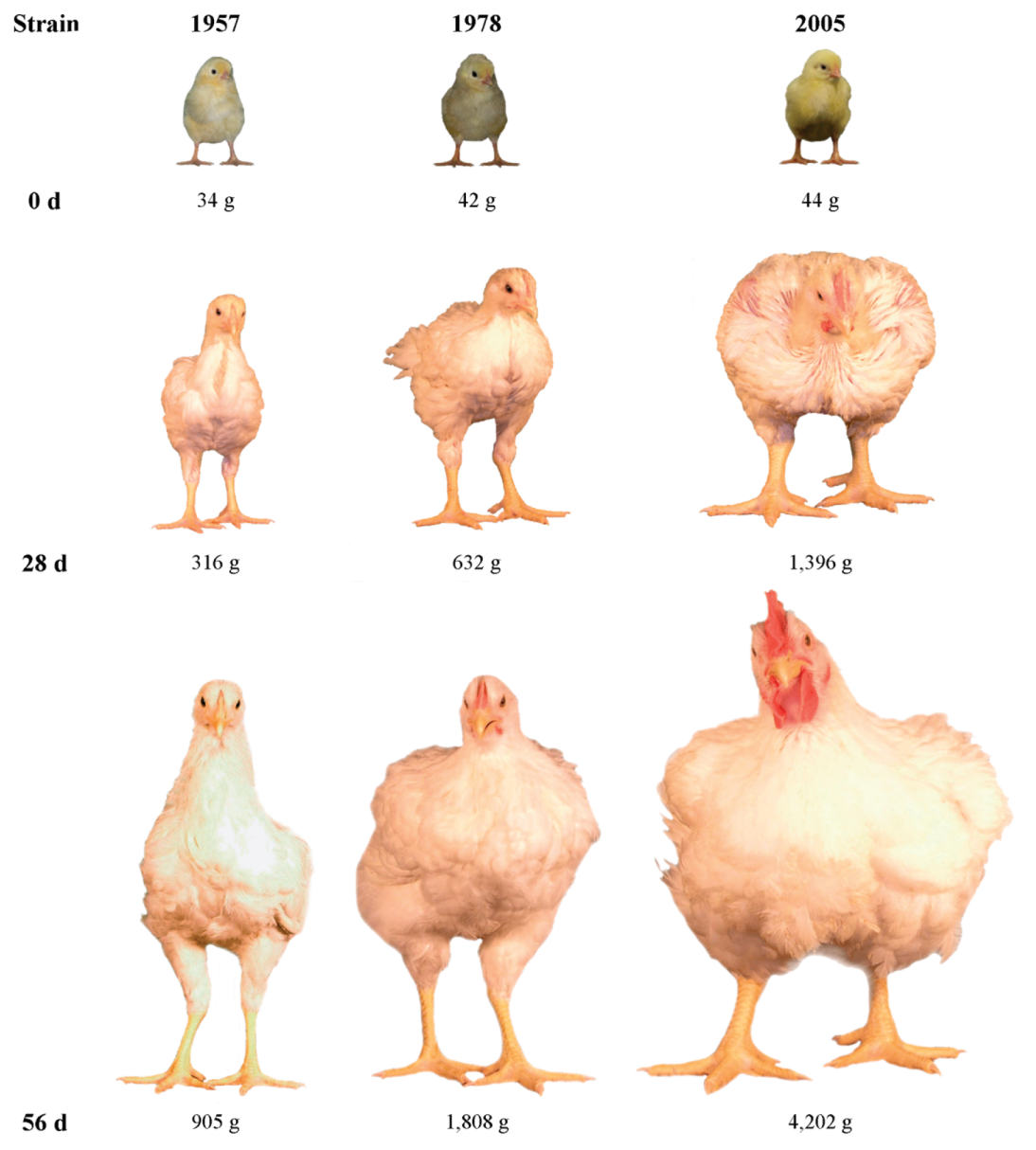
Through selective breeding broiler chickens now grow significantly larger in the same time.

Sanctuary bears witness

Most farmed animals are killed while they are still young. At sanctuary, they live long enough for their bodies to tell the story of what they were bred to produce.

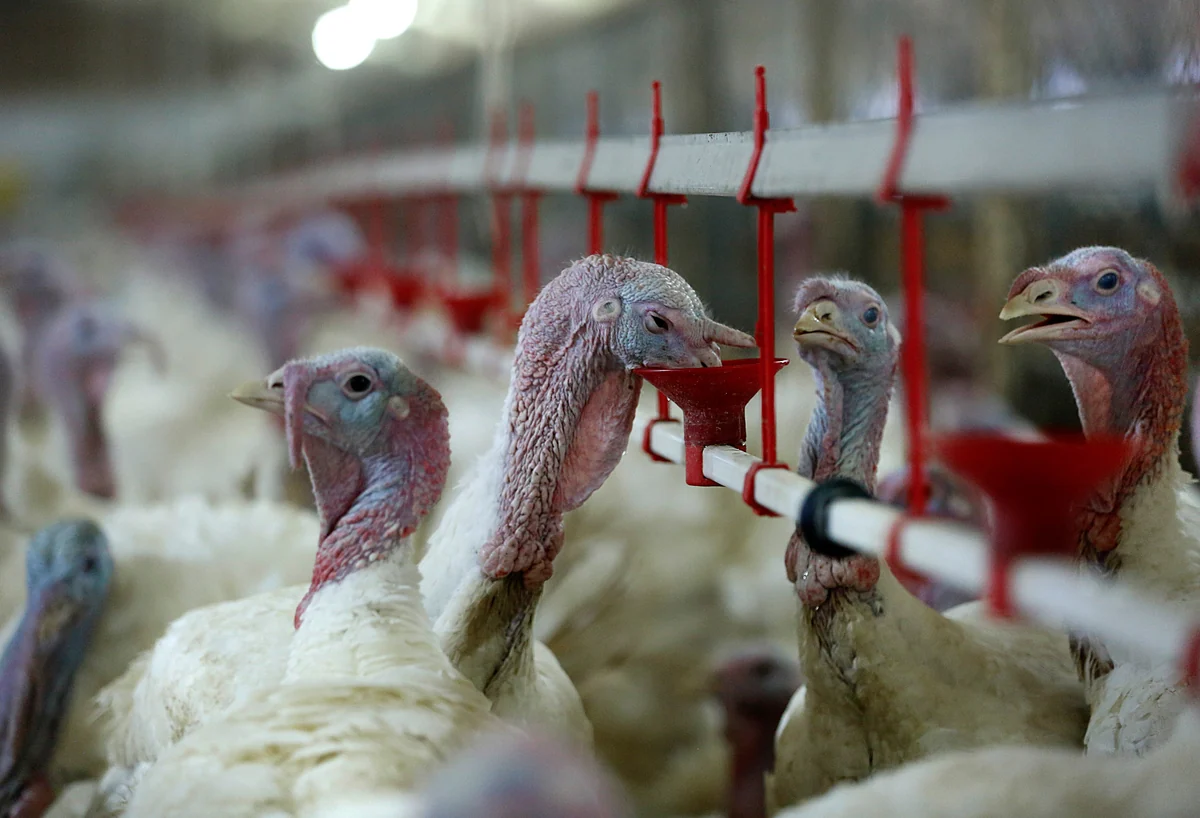
Bill was a broad-breasted turkey, bred to gain an enormous amount of weight in very little time. His legs could not support the body humans had bred him to inhabit. A custom mobility device helped him move.

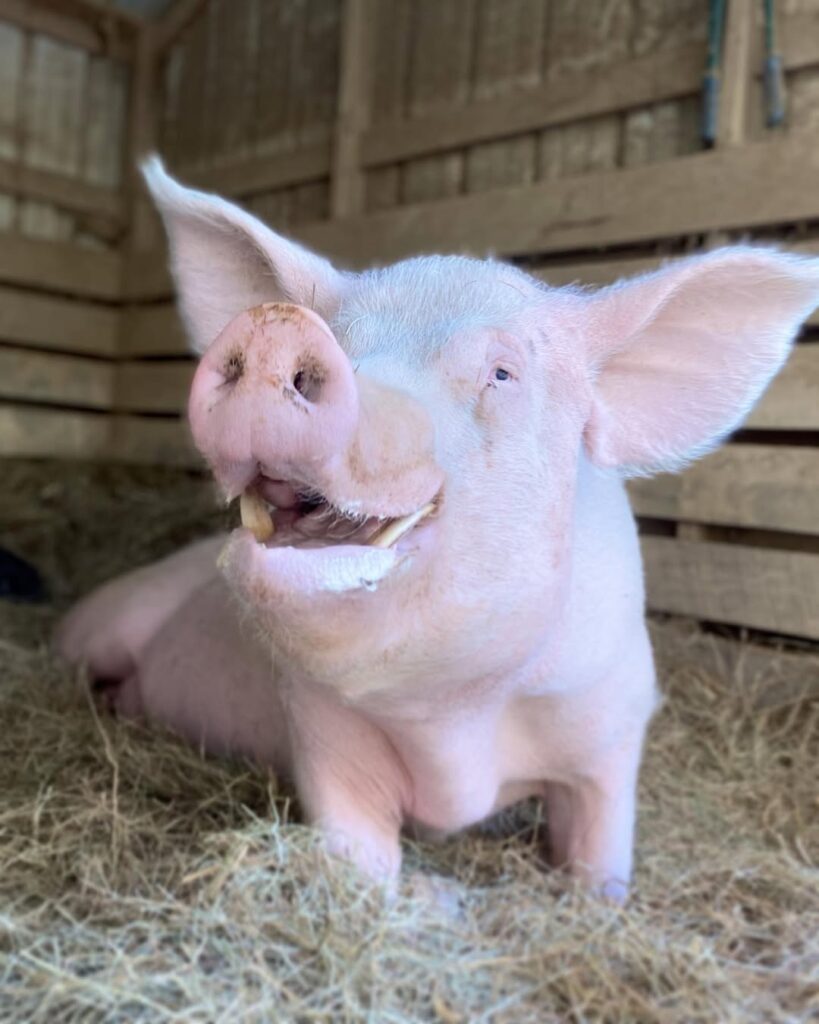
Blue-eyed Wilbur was born into a body bred for rapid growth and production. As he aged, severe arthritis increasingly prevented him from moving through that enormous body. Alert and engaged with the world, he ultimately died because his body could no longer carry him.

Bixby was bred to grow rapidly, reaching in weeks a body size his bones and joints struggled to sustain. Even with sanctuary care, the body selected for him shortened his life.