By Daniel, Animal Care Manager
For Bruce, a change in appetite has often been the first sign that something isn’t right. Since his arrival at Odd Man Inn in 2023, caring for Bruce has meant paying attention to those signs and adapting to meet his unique needs.
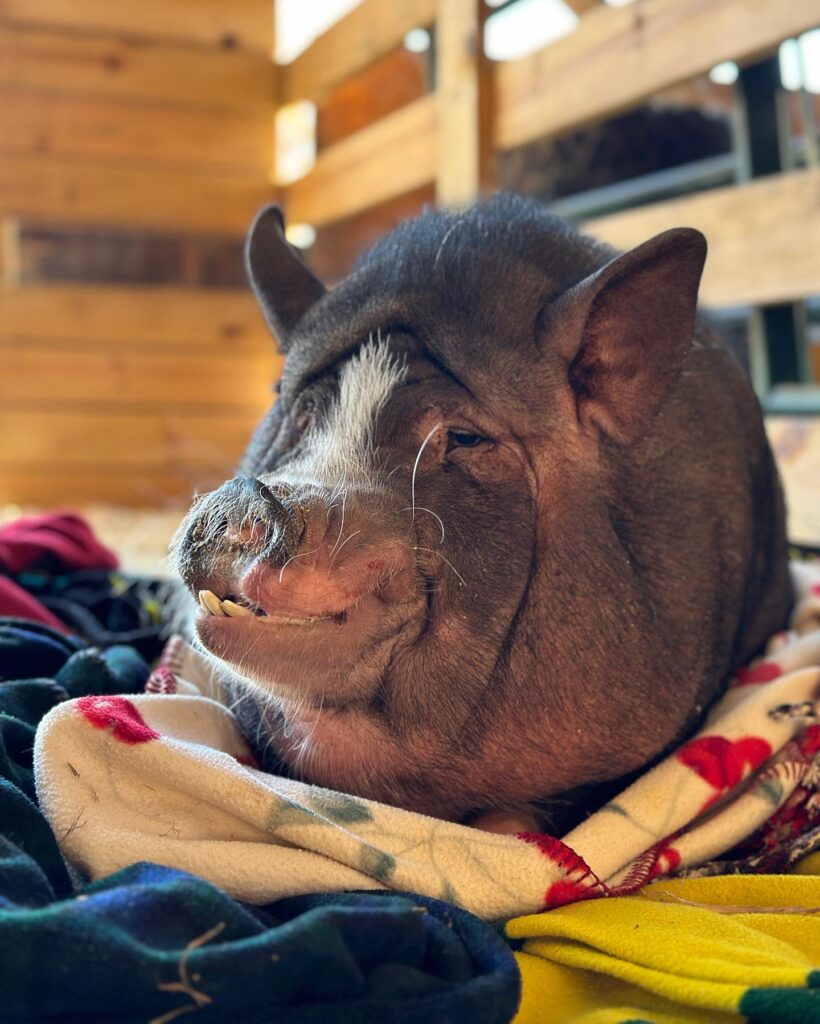
His journey is a powerful example of what individualized care looks like in practice: patience, creativity, close observation, and a team determined to help him thrive.
A Difficult Arrival
When Bruce first arrived, he refused almost everything we offered him. It is not uncommon for new residents to eat less for a few days while adjusting to an unfamiliar environment. But Bruce’s lack of appetite seemed like more than a stress-induced hunger strike. He seemed sick.
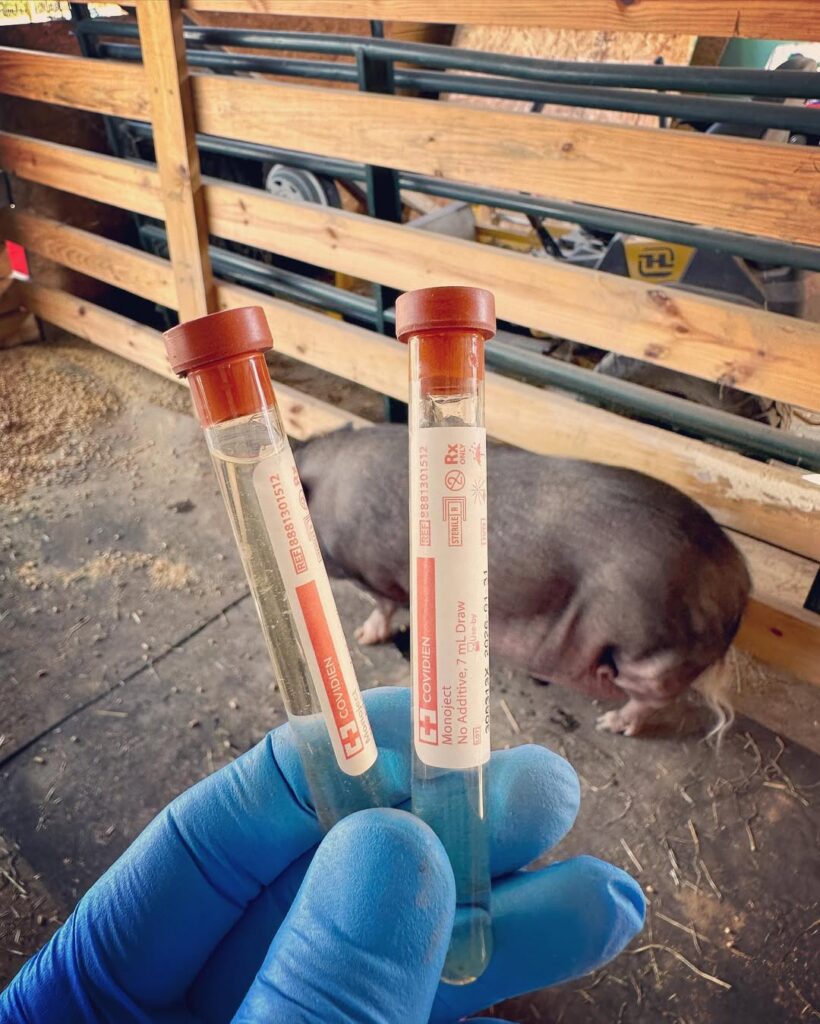
We also noticed that he was slowly dripping urine, including while lying in bed.
This was a clear sign that something was wrong. Suspecting a urinary tract infection, we collected a urine sample and brought it to our local veterinarian for a urinalysis. Bruce began a course of antibiotics, but his symptoms persisted after he finished the medication.
With no improvement, we knew it was time to escalate his care. At the university hospital, a bedside ultrasound revealed that the wall of Bruce’s bladder was thickened. A CT scan then identified urinary stones that were intermittently blocking his urethra, causing pain and irritation.
Although his urethra was not fully obstructed, the condition was serious and likely explained why he did not want to eat. So, Bruce underwent surgery to remove the stones.
After a successful procedure, we hoped his appetite would return once he recovered. Instead, we discovered that Bruce’s dietary challenges were only beginning.
Learning What Bruce Would Eat
Even after surgery, Bruce refused regular pig food. We suspect that before coming to Odd Man Inn, he had eaten mostly human food scraps. Commercial pig food may have been completely unfamiliar to him.
While fruits, vegetables, and other foods can be part of a pig’s diet, a nutritionally balanced food formulated for pigs is important. It helps ensure that pigs receive the vitamins and minerals they need. For Bruce, however, the immediate priority was simply getting him to eat something, ideally something with some nutritional value.

We spent weeks carefully learning what he would and would not accept. For his first few months here, he lived almost entirely on fruits and vegetables because he refused to eat anything else. Every so often, we offered Bruce pig pellets again. And every time, he rejected them.
Then one day, something changed. Bruce licked his bowl clean, pellets and all.
Being on a diet with proper nutrition, especially properly balanced minerals, was vital to ensuring he didn’t have a urinary blockage again.
Life with His Best Friend
For the next couple of years, Bruce did great! He ate normally, lived peacefully with the other smaller pigs in the MedBarn, and met his lifelong best friend, Henry.
Bruce and Henry did everything together. They ate breakfast together, napped together, and grazed in the fields side by side. And every night, they spooned at bedtime.
Their closeness, however, made the early signs of Bruce’s next medical problem difficult to spot.
At meal time, Bruce would walk over to his bowl, and appear to eat. Later, the bowl would be empty. Because Bruce had always been the dominant pig in his relationship with Henry, we did not initially suspect that Henry was finishing his food. Eventually, we realized that Bruce would pretend to eat before stepping aside and allowing Henry to finish his breakfast.
Once we began feeding Bruce separately, the extent of the issue became clear: He was barely eating at all. It was time for another trip to the hospital.
A Serious Diagnosis
Bruce’s initial assessment did not reveal an obvious cause for his symptoms. However, a CT scan showed that his biliary system was severely compromised.
The biliary system includes the gallbladder and bile ducts, which work with the liver and digestive system. It helps carry waste away from the liver and delivers bile to the digestive tract to help break down fats.
Veterinarians at the University of Tennessee determined that Bruce’s bile ducts were not draining normally. He also had an infection in his gallbladder and bile ducts. Bruce’s liver was also beginning to show signs of damage because it could not effectively eliminate waste.
Surgery might normally be considered to remove the material preventing proper drainage, but the severity of Bruce’s infection made surgery too dangerous. His veterinarians were cautious about his prognosis. At that point, his condition could have gone either way.
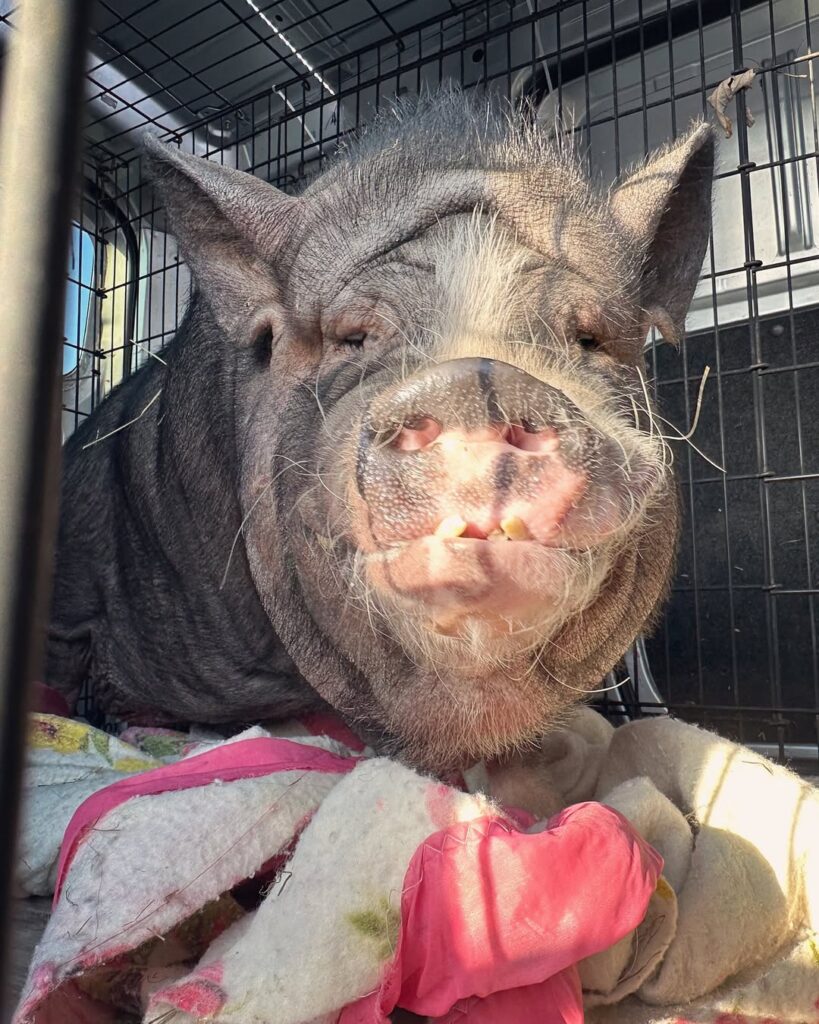
Bruce came home with several medications: antibiotics to fight the infection, ursodiol to improve drainage through his bile ducts, milk thistle to support his liver, and anti-inflammatory medication to reduce inflammation in his bile ducts. He also had to be on a strict low fat diet to reduce stress on his liver and gallbladder.
Finding a Treatment Plan That Worked
Once Bruce returned home, our main goals were to keep him comfortable, ensure that he ate an appropriate diet, and administer every dose of his vital medications.
This was no simple task.
At first, Bruce refused almost everything except low-fat prescription dog food. Our regular pig food was low enough in fat to meet his dietary restrictions, but he would not touch it. We were happy to feed him the prescription food while he needed it, though our long-term goal was to return him to a nutritionally complete diet formulated specifically for pigs.
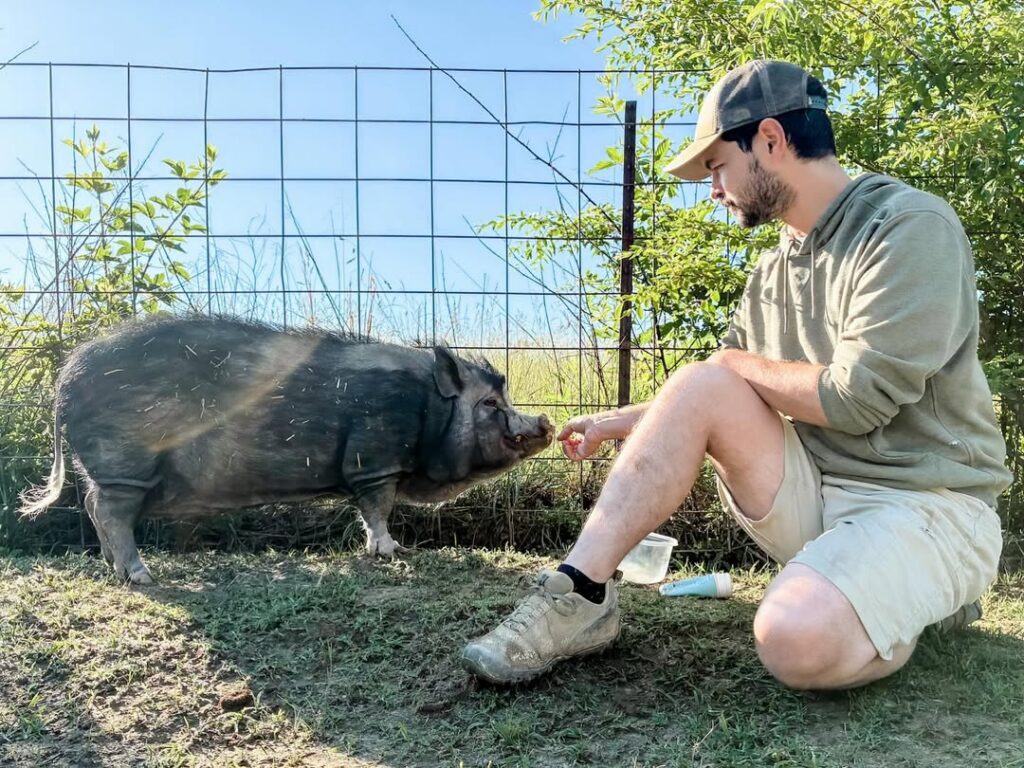
His medications presented another challenge. Bruce was especially suspicious of ursodiol, which comes in large, bitter-tasting pills. His antibiotics and ursodiol were non-negotiable though; they were essential to saving his life.
Our usual trick, hiding pills in peanut butter sandwiches, was not an option because peanut butter contained too much fat for his new diet. We discovered that Bruce would take his pills individually in grape jelly sandwiches. That worked beautifully for a few days, until he decided he had had enough.
Bruce also refused medications hidden in fruit or crushed into his prescription food. Eventually, we had to administer them by syringe. We crushed the medications, dissolved them, and mixed in molasses to make them more palatable. Unfortunately, even the molasses was not enough to make the experience enjoyable for Bruce.
Caregivers like Sunshine spent extra time with him several times a day, making sure he received every medication while keeping the process as calm and stress-free as possible.
The Power of Individualized Care
Once we were able to administer Bruce’s medications consistently, he began to improve dramatically.
Every day, Sunshine paid close attention to what Bruce would and wouldn’t eat, noting how the preparation of each food affected his appetite. Sunshine took the time to develop a nutritious meal plan that Bruce would reliably eat and shared those findings with the rest of the caregiving team. Together, we provided consistent, effective care throughout this critical stage of Bruce’s recovery. That attention to detail and dedication paid off tremendously.
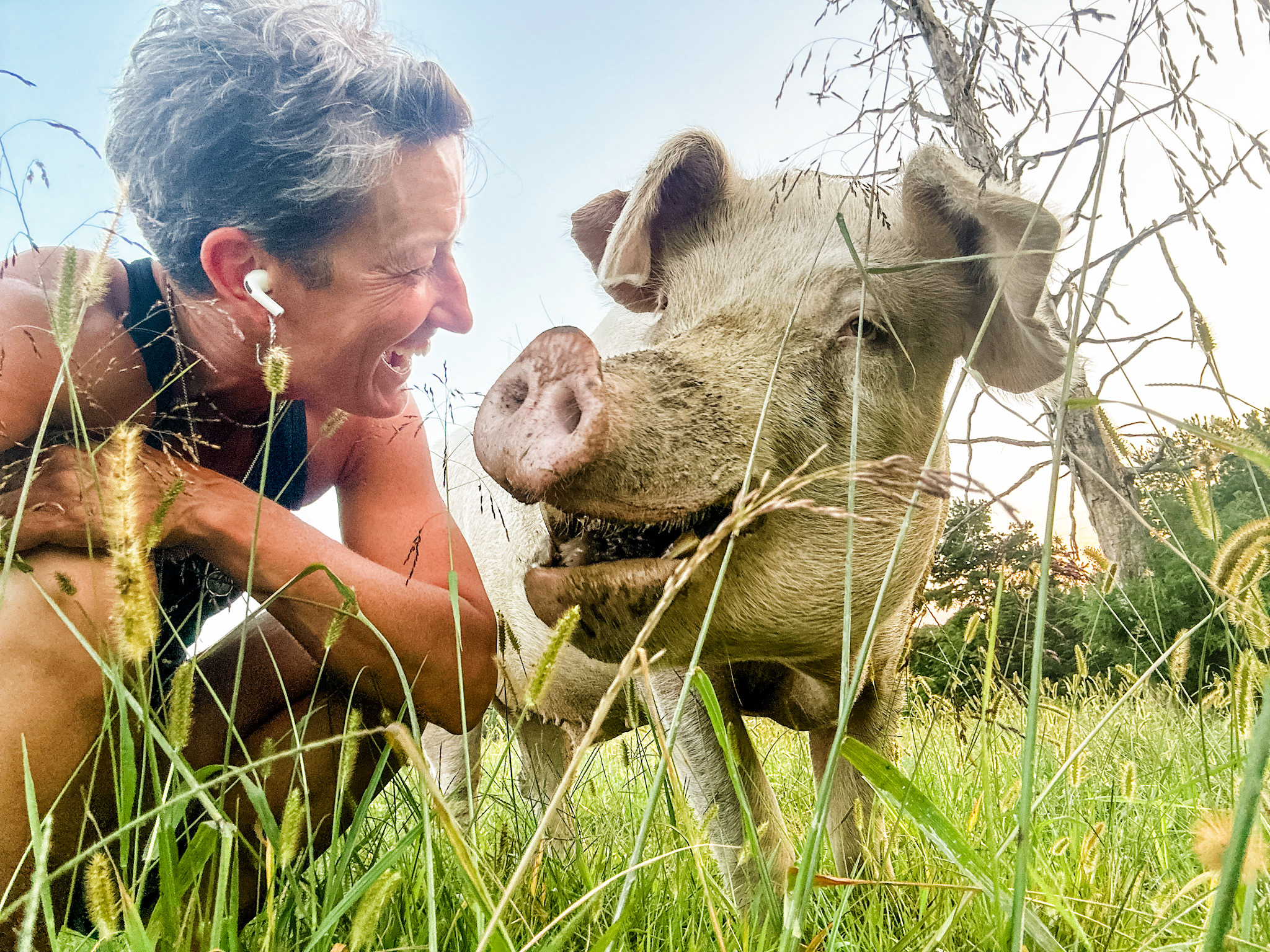
Today, Bruce is eating a mostly normal pig diet. He takes his medications in his food, so we no longer need to administer them by syringe. Best of all, he is back with Henry, enjoying a full life and spending the long summer days grazing beside his best friend.
Bruce is not completely out of the woods. His condition will require lifelong medication and regular hospital rechecks to ensure that the infection has fully resolved and that his biliary system remains stable.
For now, though, Bruce is healthy and thriving, all thanks to a team of dedicated caregivers and veterinarians who were ready and willing to put in the work to help him heal.